Δελφίνιο το εξωτικό
The etymology of Delphinium peregrinum
The binomial name Delphinium peregrinum was established by Carl Linnaeus in his monumental work, Species Plantarum, in 1753. This is a foundational text in modern botanical nomenclature.
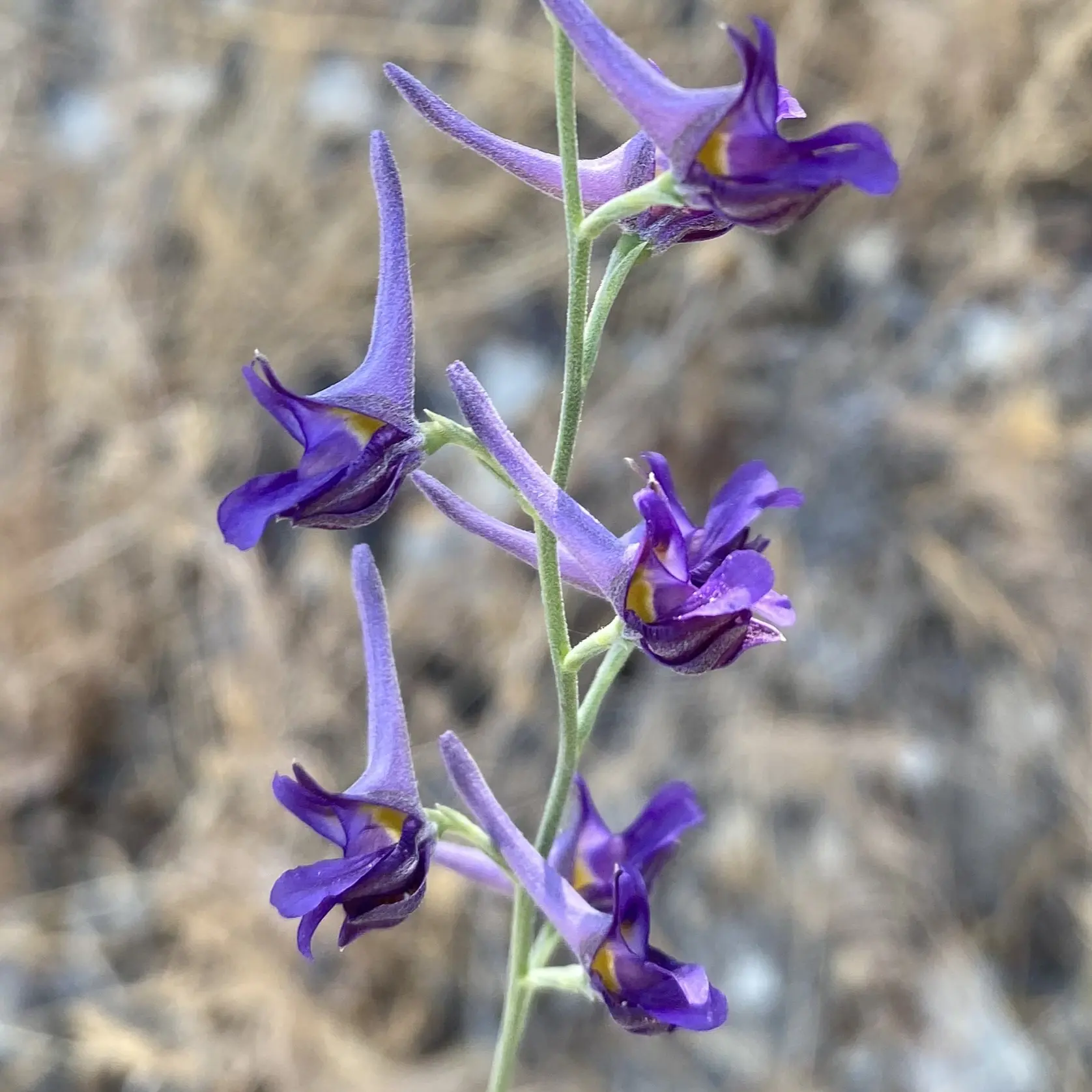
The genus name, Delphinium, is derived directly from the Ancient Greek word "δελφίνιον" (delphínion), which is a diminutive of "δελφίς" (delphís), meaning "dolphin". This connection was made by the Greek physician and botanist Dioscorides in his own influential work, De Materia Medica. He noted that the shape of the flower, particularly the spur that extends from the back, resembled the body of a dolphin.
The species epithet, peregrinum, is from the Latin word peregrinus, meaning "foreign," "from abroad," or "wandering." Linnaeus used this name to describe a plant that was not native to the region where he was observing or classifying it, but rather a plant that was considered to be "foreign" or "introduced." This could refer to its wide distribution, as the plant is found across a broad range from southern Europe to western Asia, or perhaps to the fact that it was found in cultivated or uncultivated fields, suggesting it might have been introduced to new areas. By giving it this name, Linnaeus was highlighting its exotic or non-local origin from his perspective, a common practice in the early days of botanical exploration and classification as European botanists encountered species from around the world.
General Characteristics of the plant
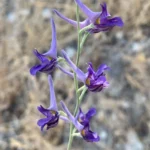
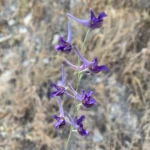
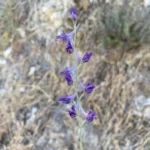
Delphinium peregrinum, commonly known as violet larkspur or peregrine larkspur, is a herbaceous annual plant belonging to the buttercup family, Ranunculaceae. It typically grows to a height of 20 to 100 cm, with an erect, branched stem that can be hairy. The leaves are deeply lobed with linear-lanceolate segments. The plant produces striking blue to purplish-blue flowers in loose clusters on tall spikes. Each flower has five petal-like sepals, with one of them forming a prominent, upward-curved spur that is longer than the sepals. This unique spur is a key feature of the Delphinium genus and is what led to its name, resembling a dolphin's snout. The plant flowers from spring through early autumn.
Habitat and Distribution of Delphinium peregrinum
As its name suggests, Delphinium peregrinum is a widespread species. It is native to a vast region spanning from the Mediterranean area and southern Europe, across the Balkan Peninsula, and into Western Asia. It thrives in a variety of habitats, including dry grasslands, scrublands, open fields, rocky slopes, and disturbed areas like cultivated fields and roadsides. It is particularly well-suited to well-drained, often calcareous (lime-rich) soils and prefers sunny locations.
Delphinium peregrinum in Cyprus
Delphinium peregrinum is a very uncommon plant to encounter in the Cypriot nature, even though it appears most likely in all the districts of the island. It is found up to altitudes of 975 meters. Its flowering period in Cyprus is usually between April and July.
Toxicity and Uses of Delphinium peregrinum
It is crucial to note that, like other members of the Delphinium genus, Delphinium peregrinum contains diterpenoid alkaloids that are toxic if ingested. All parts of the plant, especially the young plants and seeds, are poisonous to humans and livestock, causing severe digestive distress and, in larger amounts, more serious health issues and even death.
In traditional medicine, some Delphinium species have been used in small, carefully controlled amounts for various purposes, such as an antidote for snake bites or a treatment for parasites, but due to their high toxicity, such uses are not recommended.
Today, Delphinium peregrinum is primarily appreciated for its ornamental value in gardens and its role in the ecosystem as a nectar source for pollinators like bees and butterflies.