


History and Flora of Cyprus

Λειμώνιο το ραβδωτό
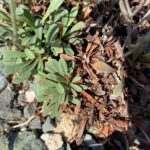
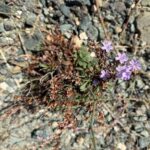
Etymology of Limonium virgatum: The name "Limonium" originates from the Ancient Greek word "λειμώνιον" [limonion], which derives from the word "λειμώνιος" [limonios], meaning "of the harbour", referring to the coastal areas that many of the genus's species grow. "Virgatum" is Latin and means "made of twigs striped" and probably refers to the appearance of the inflorescences, striped because of the vertical position of the pedicels and calyxes on the branches/stems forming stripes.
Limoniums in Cyprus are plenty and rare; there are ten Limonium species in Cyprus and one cross-species. The majority of them can be found in South-Eastern Cyprus, in the Paralimni region. At least two of them are endangered.
Limonium virgatum is the most common of the common Limoniums that are encountered in Cyprus. It grows coastally on rocky, salty or sandy places, marshes, salt lakes or coasts up to an altitude of 150 metres, almost all around Cyprus. Its flowering period is from May until August.
| Cookie | Duration | Description |
|---|---|---|
| cookielawinfo-checbox-analytics | 11 months | This cookie is set by GDPR Cookie Consent plugin. The cookie is used to store the user consent for the cookies in the category "Analytics". |
| cookielawinfo-checbox-functional | 11 months | The cookie is set by GDPR cookie consent to record the user consent for the cookies in the category "Functional". |
| cookielawinfo-checbox-others | 11 months | This cookie is set by GDPR Cookie Consent plugin. The cookie is used to store the user consent for the cookies in the category "Other. |
| cookielawinfo-checkbox-necessary | 11 months | This cookie is set by GDPR Cookie Consent plugin. The cookies is used to store the user consent for the cookies in the category "Necessary". |
| cookielawinfo-checkbox-performance | 11 months | This cookie is set by GDPR Cookie Consent plugin. The cookie is used to store the user consent for the cookies in the category "Performance". |
| viewed_cookie_policy | 11 months | The cookie is set by the GDPR Cookie Consent plugin and is used to store whether or not user has consented to the use of cookies. It does not store any personal data. |