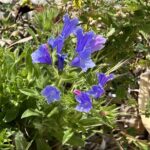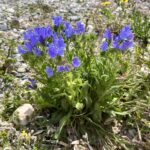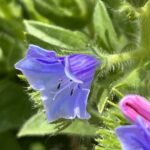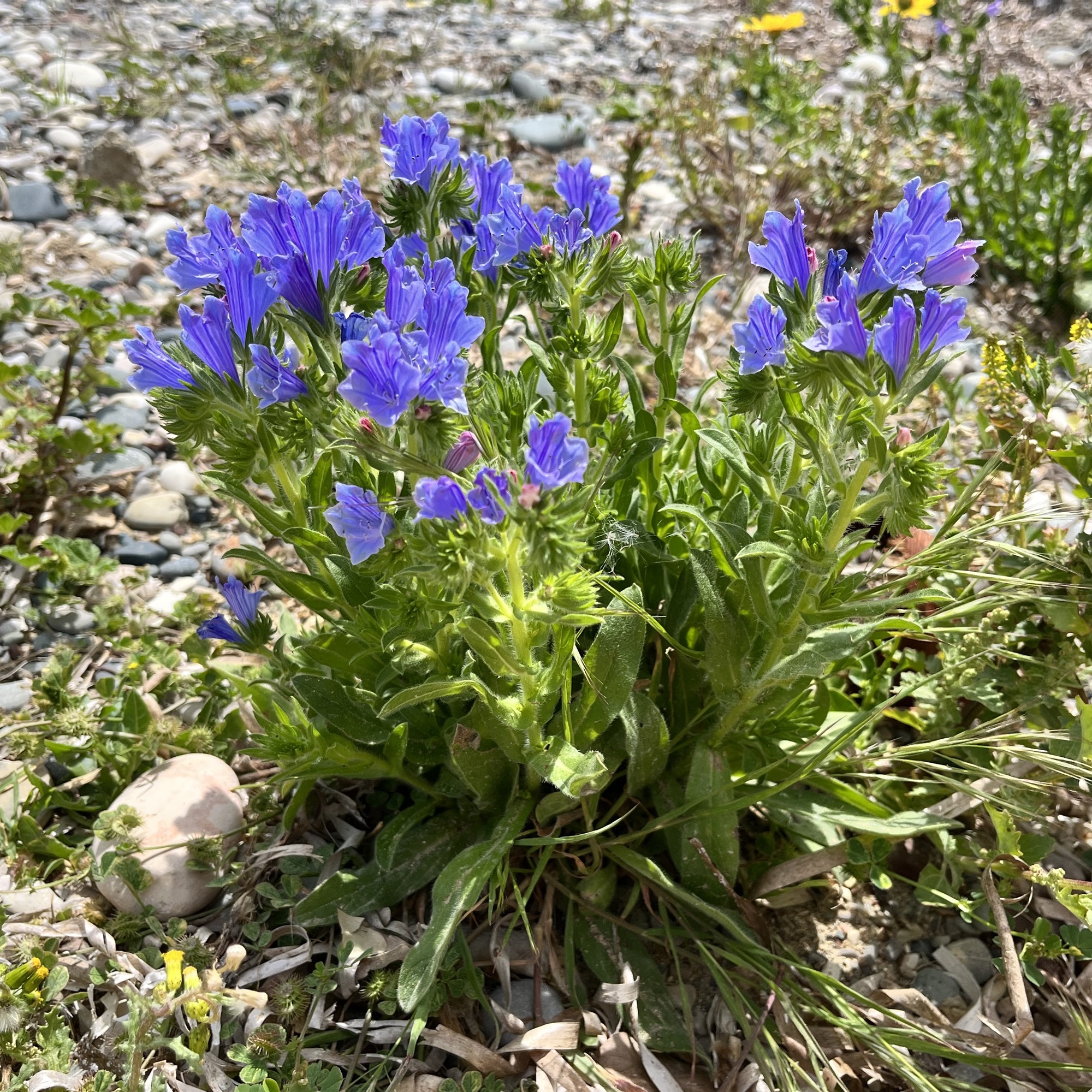
Έχιο το πλαντάγινο
Etymology of Echium plantagineum: "Echium" is called in Ancient Greek "ἔχιον" [ehion] and "έχις" [ehis]. Έχις derives from "έχιδνα" [ehidna], which means "viper", as the shape of the fruit resembles a viper's head. The species epithet "plantagineum" is Latin, describing the plant's leaves, which bear a visual similarity to those of the Plantago genus, commonly known as plantain.
There are 6 Echium species and subspecies in Cyprus.
Where is Echium plantaginum found?
Echium plantagineum, native to western and southern Europe, northern Africa, and southwestern Asia, has spread globally, becoming an invasive species in regions like Australia, South Africa, and parts of the United States. This adaptable plant thrives in disturbed habitats such as roadsides, grasslands, and cultivated fields, favoring well-drained soils. Commonly known as Paterson's curse, Salvation Jane, purple viper's-bugloss, blueweed, or Lady Campbell weed, it is recognized for its vibrant purple flowers and its ability to form dense stands that can outcompete native vegetation.
Where does Echium plantagineum grow in Cyprus?
Echium plantagineum is a relatively rare plant in Cyprus. Regarding the territory controlled by the Republic of Cyprus, it was up to now, thought to grow only on the Troodos Mountains range, at an altitude of around 1075 metres. Surprisingly, I recorded this species for the first time in coastal southern Cyprus, and more specifically, at the Pissouri beach, in the Limassol district. It also appears coastally in northern Cyprus, in the Kyrenia and Karpasia regions.
Habitat
Echium plantagineum thrives in a variety of disturbed and open habitats. This includes areas such as roadsides, grasslands, and cultivated or fallow fields. It particularly favors locations with well-drained soils and can be found from sea level up into the foothills of the island's mountain ranges. Due to its adaptability, it readily establishes itself in areas where the natural vegetation has been disrupted, and it is known to form dense stands that can compete with native flora.